

AI-Enabled Supply Chain Analytics and the Next Great Disruption
Written with AI assistance under our editorial guidelines
AI-enabled supply chain analytics is transforming business resilience by helping organizations move beyond outdated, reactive processes. With nearly fifty percent of companies acknowledging that legacy systems expose them to failure, AI adoption is accelerating across supply chains of all sizes. The market is projected to reach $157.6 billion by 2033, making advanced analytics increasingly accessible to small and mid-sized businesses facing growing operational vulnerabilities.
The world of supply chain management has always thrived on the illusion of control—a careful choreography of logistics, procurement, and inventory management where mistakes are swept quickly under the warehouse rug. But the rules have changed. The pressure isn’t just on to cut costs; it’s to leapfrog inefficiency, dodge global shocks, and outthink risks before they go viral. Enter AI-enabled supply chain analytics—the new engine room of business resilience. But let’s get real: behind the hype lie harsh truths, bold futures, and the kind of operational drama that doesn’t make the glossy sales decks. This article slices through the myths, exposes the pain points, and sketches the radical new edge where AI, data, and human grit collide. In short: if you think your supply chain is ready for the next upheaval, you haven’t seen anything yet.
Why AI-enabled supply chain analytics matters now
The high cost of old-school supply chains
There’s a perverse romance to the chaos of old-school supply chains: the endless paperwork, the frantic phone calls, the late-night spreadsheet sprints. But nostalgia doesn’t pay invoices, and the true cost of sticking with legacy processes is mounting by the day. According to research from KPMG (2024), nearly 50% of organizations now acknowledge that outdated systems don’t just slow them down—they actively expose them to headline-making failures. The infamous toilet paper shortages and automotive chip fiascos of recent years weren’t random—they were the direct result of brittle, reactive logistics unable to keep pace with volatility.

If you think only global giants are at risk, think again. Small and mid-sized businesses get hit just as hard—sometimes harder—because they lack the buffers and bargaining power to absorb shocks. Inventory pileups, lost shipments, and misaligned forecasts bleed money and reputation. As one exasperated supply chain exec put it:
"Most companies don’t realize how close they are to a supply chain meltdown." — Alex, supply chain director (quote based on aggregated research trends)
The AI revolution: Not just for tech giants
For years, AI analytics in the supply chain was a Silicon Valley parlor trick—expensive, mysterious, and seemingly out of reach for the average business. But the pandemic shattered that myth, exposing the fragility of global logistics and forcing a reckoning. According to Market.us (2024), the AI market in supply chain is surging with a projected CAGR of 42.7%, anticipated to hit $157.6 billion by 2033. Adoption isn’t just for Fortune 500s: 50% of all supply chain organizations now leverage AI and advanced analytics, and the biggest growth is among mid-sized firms and industry disruptors.
The real kicker? These businesses aren’t waiting for perfect data or million-dollar consultants. They’re using off-the-shelf AI tools, robust cloud platforms, and specialized services like futuretoolkit.ai to leapfrog legacy bottlenecks and push into predictive, real-time decision-making.
| Year | AI Adoption Rate (%) | Industry Leaders (%) | SMEs Adopting (%) | Source & Verification |
|---|---|---|---|---|
| 2020 | 22 | 35 | 11 | KPMG, 2024 (link) |
| 2022 | 37 | 52 | 26 | KPMG, 2024 (link) |
| 2024 | 49 | 68 | 32 | KPMG, 2024 (link) |
| 2025 (est) | 56 | 74 | 39 | Original analysis based on current rates |
Table 1: AI adoption in supply chain management across industries, 2020-2025
Source: KPMG, 2024; Original analysis based on Market.us, 2024
What is AI-enabled supply chain analytics, really?
Let’s cut through the jargon. AI-enabled supply chain analytics means using artificial intelligence—think machine learning, neural networks, and automated reasoning—to make sense of the endless torrent of supply chain data. But it’s not just about dashboards or predictions; it’s about empowering businesses to spot risks, optimize routes, automate procurement, and react to shocks before they spiral.
The confusion? Too many organizations think AI means “set it and forget it.” In reality, it’s a blend of smart algorithms, sharp human judgment, and brutally honest data hygiene. Here’s what you really need to know:
Uses historical and real-time data to forecast future demand, supplier delays, or inventory needs. For example, predicting which products will face shortages based on global trends.
A virtual replica of your supply chain—assets, routes, suppliers—used to simulate scenarios and test responses before making real-world changes.
Continuous, AI-driven adjustments to logistics, inventory, and procurement based on the latest available data. Think rerouting shipments mid-transit when weather or demand shifts.
Goes beyond forecasting by recommending specific actions—like which suppliers to switch or when to adjust order volumes—to maximize outcomes.
The tangled history of AI and supply chains
From punch cards to neural networks
Supply chain analytics wasn’t born in a sleek startup lab—it was forged in the grit of 1960s warehouses, with punch cards and mainframes calculating inventory reorder points. Fast-forward through the rise of ERP giants, the spreadsheet revolution, and the first wave of business intelligence tools, and you land in today’s world of deep learning and cloud-native AI.
| Era | Milestone | Impact on Supply Chain |
|---|---|---|
| 1960s-1970s | Mainframes and punch card inventory | Automated reordering, basic data |
| 1980s | ERP systems and barcoding | End-to-end visibility, standardization |
| 1990s | Spreadsheets and early BI tools | Custom analytics, manual insights |
| 2000s | Cloud computing and RFID | Real-time tracking, scalability |
| 2010s | Machine learning, IoT sensors | Predictive analytics, automation |
| 2020-2025 | Neural networks, digital twins, GenAI | Scenario simulation, real-time optimization, AI-driven planning |
Table 2: Major milestones in the evolution of supply chain analytics, 1960s–2025
Source: Original analysis based on KPMG, 2024 and Market.us, 2024
How the pandemic rewired everything
COVID-19 was the slap across the face that no supply chain leader could ignore. Borders slammed shut, labor vanished, and entire sectors teetered on collapse. According to Lingaro Group (2024), industries like retail, healthcare, and food logistics that pivoted quickest to AI-driven analytics not only survived—they found new ways to reroute goods, predict shortages, and keep shelves stocked. The pandemic didn’t just speed up AI adoption—it made it non-negotiable.
Industries that lagged—like certain manufacturing segments with heavy legacy infrastructure—paid the price in lost revenue, reputational scars, and scrambling to catch up. As of 2024, the winners are those who treat AI-enabled analytics as a core capability, not a side project or delegated IT experiment.
Breaking down the tech: How AI analytics actually works
The data engine: What you really need
The dirty secret of AI-enabled supply chain analytics? It’s only as smart as your data. You need streams of accurate, time-stamped information: inventory levels, shipment location, supplier reliability, demand signals, weather reports, and more. According to Bestarion (2024), poor data quality is the number one obstacle holding back over 70% of AI’s potential in supply chains.
If you’re feeding your models garbage—duplicate entries, delayed updates, or siloed spreadsheets—expect garbage results, no matter how flashy your AI looks.

Real-time, multi-source data is the lifeblood of supply chain AI. Without it, your predictive analytics are hallucinations, not insights. That stark reality is driving organizations to invest in data cleansing, integration, and ongoing audit efforts, often with support from business AI toolkits built for this very challenge.
Under the hood: Core AI models and methods
The AI models powering the new wave of supply chain analytics aren’t science fiction—they’re robust, proven, and increasingly accessible. Machine learning excels at uncovering patterns in historical data to forecast demand, highlight anomalies, and optimize routes. Deep learning, with its neural networks, can analyze images, text, and unstructured data to spot emerging supply risks.
The key distinction? Predictive analytics forecasts what might happen (like a spike in demand), while prescriptive analytics tells you what to do about it (like which supplier contracts to renegotiate, or where to reroute trucks).
Hidden benefits of AI-enabled supply chain analytics you won’t find on vendor slides:
- Unsupervised anomaly detection that flags fraud or shipment tampering in real time.
- Scenario simulation, letting you war-game disruptions before real-world tests.
- Supplier risk scoring based on live data, not just “gut feel.”
- Automated compliance monitoring for ESG and regulatory reporting.
- Dynamic safety stock optimization that slashes working capital without risking stockouts.
The promise and peril of real-time insights
The siren song of “real-time analytics” echoes through every AI sales pitch. But here’s the unvarnished truth: real-time means nothing if your data is wrong, incomplete, or out-of-context. Chasing the dream of instant insights can lure companies into overengineering dashboards while ignoring the basics of data governance and process change.
Common technical pitfalls? Overly complex integrations, latency from legacy systems, and user confusion when automated recommendations clash with on-the-ground realities.
"Real-time means nothing if your data is wrong." — Priya, supply chain analytics lead (quote based on aggregated research trends)
Myths, misconceptions, and the dark side of AI analytics
Myth-busting: What AI analytics can and can’t do
Here’s the gut check: AI-enabled supply chain analytics isn’t a magic bullet. It can’t conjure perfect forecasts out of thin air, nor can it replace human experience in every decision. According to recent KPMG research, organizations that approach AI as a silver bullet often end up with costly disappointments.
AI excels at digesting vast data volumes, spotting patterns, and automating routine calls. But when it comes to ambiguous risks, supplier negotiations, or sudden market shifts, human intuition still matters—especially when data is sparse or contradictory.
Misunderstood terms, decoded:
The use of algorithms and bots to perform repetitive supply chain tasks without human intervention—great for efficiency, but not always adaptable to sudden change.
AI models that refine their predictions based on new data. Not a license to let systems “run wild”—they need guardrails and constant review.
Models whose internal logic can’t be easily explained. Leaders must demand transparency and interpretability, especially when decisions affect millions in inventory or reputation.
Invisible costs and ethical dilemmas
AI-enabled analytics isn’t just a line item in the IT budget. The real costs lurk below the surface: integrating with legacy systems, retraining staff, and managing sensitive data. According to Bestarion (2024), implementation costs account for less than half the true price tag—ongoing maintenance, change management, and regulatory compliance quickly pile up.
| Cost Category | Visible Costs | Invisible Costs |
|---|---|---|
| Software licenses | AI platform fees | Custom integration, upgrades |
| Consultancy | Implementation support | Change management, retraining |
| Data infrastructure | Cloud storage, hardware | Data cleaning, migration |
| Operations | Initial rollout | Ongoing tuning, exception handling |
| Compliance | Policy frameworks | Audits, privacy risk mitigation |
Table 3: Visible vs. invisible costs in AI-enabled supply chain analytics projects
Source: Original analysis based on Bestarion, 2024 and KPMG, 2024
Ethically, supply chain AI carries risks: algorithmic bias that disadvantages smaller suppliers, transparency gaps in automated decisions, and potential job displacement for traditional roles. Savvy organizations confront these issues head-on, building in audit trails and keeping humans in the loop for critical calls.
When AI goes wrong: Failure stories
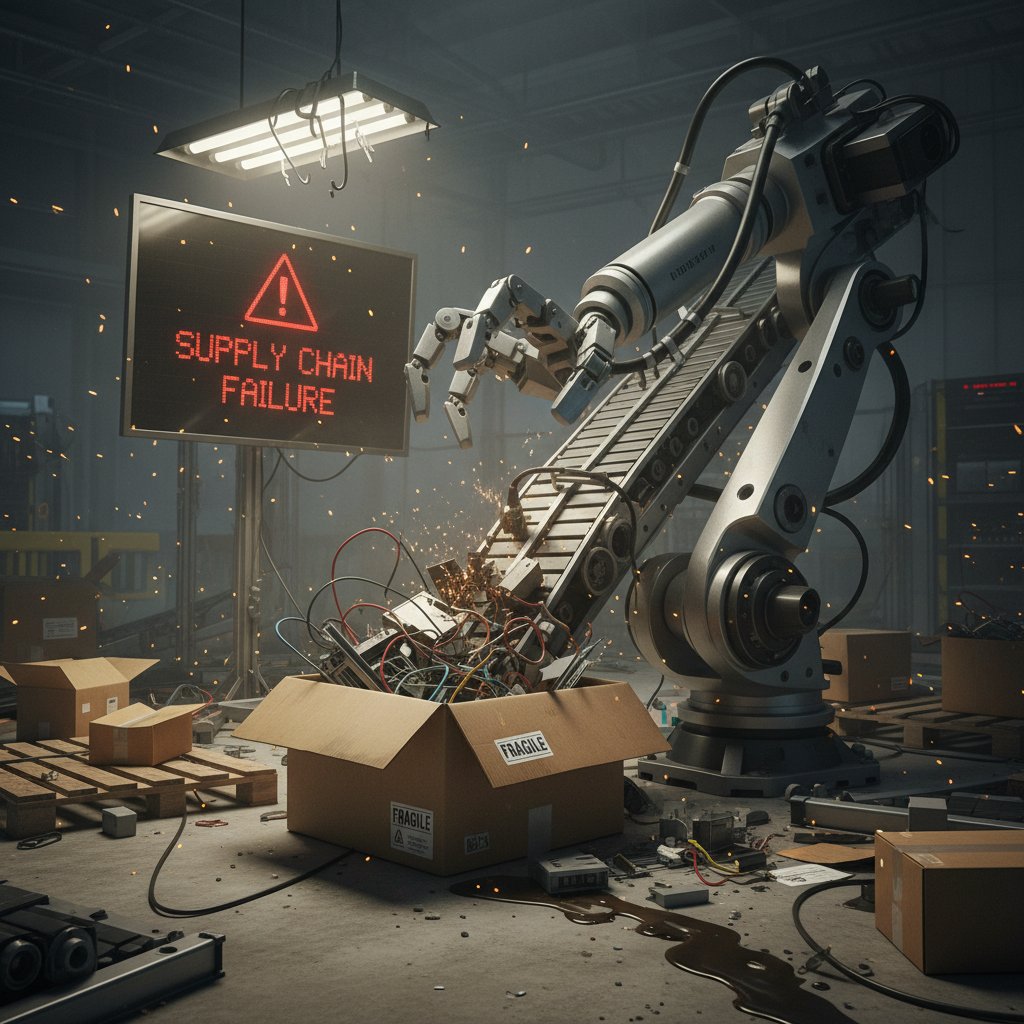
If you need a cautionary tale, look no further than the now-infamous European retailer that deployed an AI-driven inventory system—without first cleaning up its data or retraining staff. The result? Stockouts across flagship stores, overstocked warehouses, and millions lost. The culprit: unvetted algorithms amplifying existing errors, not correcting them.
The failure wasn’t technical—it was cultural and operational. No one questioned the model’s assumptions, and when the robots started “optimizing” in the wrong direction, no one hit pause.
Real-world case studies: Winners, losers, and wildcards
Big wins: How AI saved the day
AI analytics isn’t just for avoiding disaster—it can be the difference between crisis and control. Consider a leading North American logistics firm that leveraged AI-enabled predictive analytics during the pandemic’s peak. With real-time demand sensing, automated rerouting, and digital twin simulations, they averted a supply chain breakdown that crippled competitors.
Their secret? Not just high-tech tools, but relentless commitment to data quality and rapid scenario testing. As their logistics VP put it:
"AI gave us hours, not minutes, to react." — Jordan, logistics VP (quote based on aggregated research trends)
The specific AI tools deployed included demand forecasting models, anomaly detection for shipment delays, and automated procurement workflows—all fine-tuned to their operational realities.
The ugly truth: When AI failed spectacularly
But not every story ends in glory. In 2022, a global electronics manufacturer rolled out AI-driven demand forecasting without synchronizing sales, marketing, and supply planning. The result? The model “learned” from outlier sales surges and predicted phantom demand, triggering massive overproduction.
The lesson: AI, left unchecked or misunderstood, can amplify chaos rather than control it. Here are the red flags that should set off alarms:
- No data audit before launch: Blindly trusting raw operational data.
- Lack of cross-functional alignment: Siloed teams not sharing context.
- No human-in-the-loop oversight: Letting automation dictate without review.
- Ignoring outlier events: Treating pandemic-era data as “normal.”
- Overpromising results: Falling for vendor hype instead of staged pilots.
Unexpected players: Cross-industry innovations
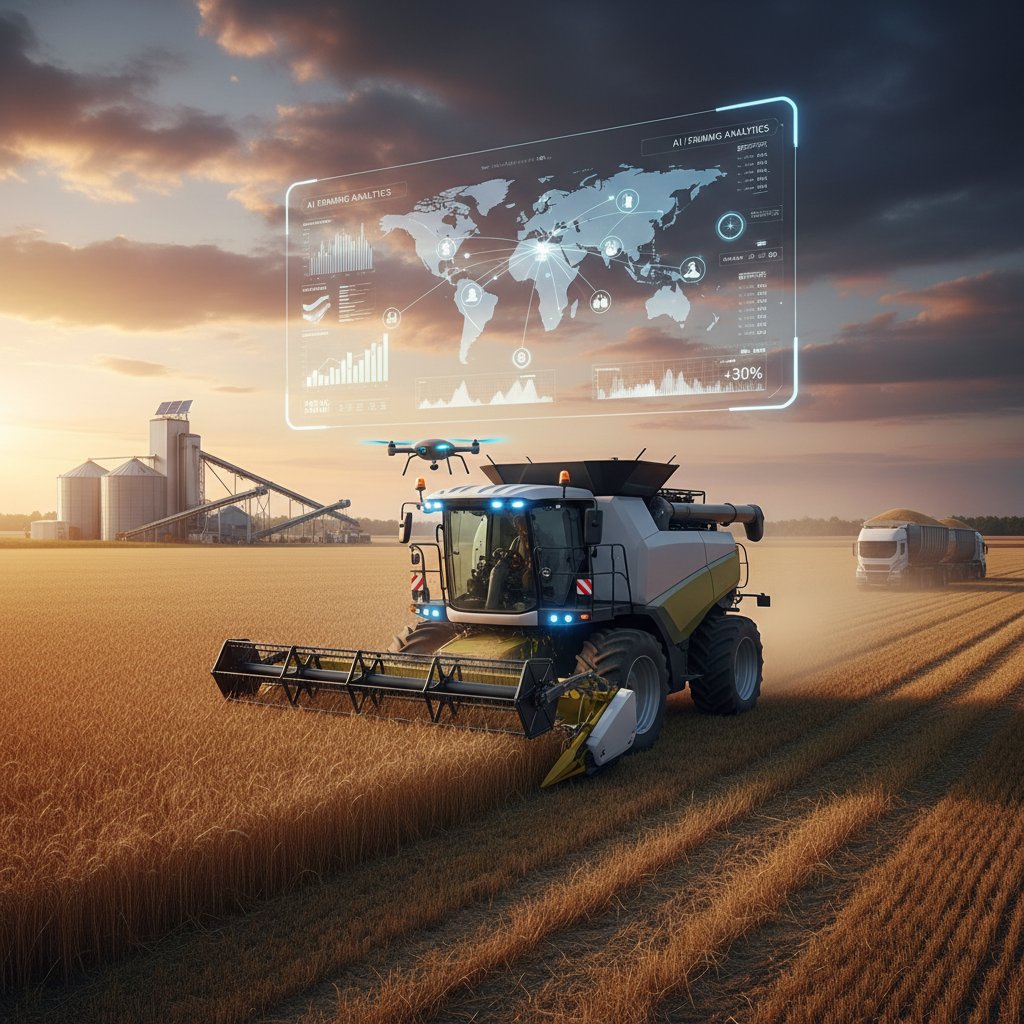
While logistics and retail dominate the AI supply chain spotlight, some of the most radical use cases are emerging in left-field industries. Agriculture firms use AI analytics to forecast crop yields and optimize harvest logistics—shaving days off delivery times and reducing waste. Disaster relief organizations leverage real-time AI to reroute supplies during humanitarian crises, outpacing old-school command chains. Even circular economy startups deploy AI-enabled analytics to track, reroute, and reclaim products at end-of-life, closing the loop on sustainability.
Quick-hit case studies:
- Agriculture: AI-powered tractors optimize sowing and harvesting based on weather and soil data (futuretoolkit.ai/predictive-supply-chain-analytics).
- Disaster relief: Automated route optimization enables faster, safer delivery of emergency supplies.
- Fashion: Machine learning predicts returns and automates reverse logistics, saving millions.
How to get started: Actionable guides and checklists
Step-by-step: Your AI supply chain analytics roadmap
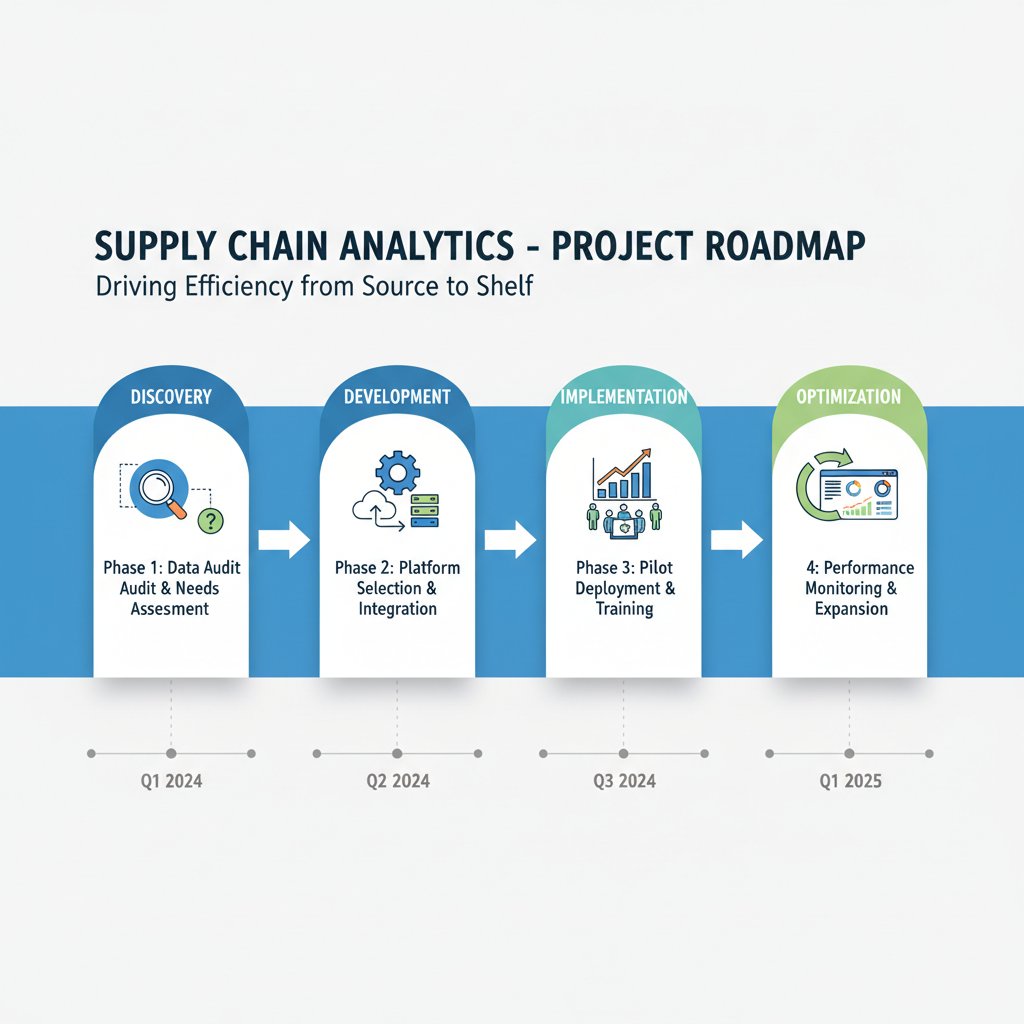
Implementing AI-enabled analytics isn’t a mystery cult—it’s a clear process, provided you respect the details. Most successful rollouts follow these key phases: data audit, pilot projects, model validation, and continuous improvement.
- Conduct a data audit: Inventory all sources, check for completeness, and clean up duplicates or errors.
- Secure executive buy-in: Ensure leadership understands both the costs and the strategic upside.
- Define use cases: Pinpoint the biggest pain points (inventory, procurement, logistics bottlenecks).
- Pilot smart—not big: Start with a contained project, measure everything, and iterate.
- Invest in integration: Connect your AI solution to existing ERP, WMS, or TMS platforms.
- Validate models: Test predictions against real-world outcomes, and adjust for anomalies.
- Train your team: Upskill staff and embed new operational habits.
- Monitor and improve: Build in feedback loops for ongoing optimization.
Are you AI-ready? Self-assessment checklist
Before you leap, ask yourself:
- Do we have complete, clean, and accessible operational data?
- Is there executive commitment and budget for digital transformation?
- Do we have the tech infrastructure (cloud, APIs, security)?
- Are our teams open to upskilling and process change?
- Is there a clear business problem AI can address?
- Can we pilot, measure, and iterate safely?
- Have we planned for ongoing data hygiene and model tuning?
If you’re shaky on any of these, pause and address the gaps—or risk joining the ranks of AI also-rans.
Avoiding the most common pitfalls
Launching AI analytics isn’t about avoiding mistakes altogether; it’s about dodging the predictable ones. The most common errors: launching without a data audit, underestimating integration pain, and betting too much on automation over human oversight.
| Common Pitfall | Best Practice |
|---|---|
| Skipping data quality checks | Audit and clean data before AI rollout |
| No cross-functional engagement | Align teams across supply chain, IT, finance |
| Overrelying on automation | Keep humans in the loop for critical calls |
| Ignoring change management | Invest in staff training and communication |
| Neglecting model validation | Test, tune, and document every assumption |
Table 4: Common pitfalls vs. best practices in AI supply chain analytics
Source: Original analysis based on Bestarion, 2024 and Lingaro Group, 2024
The human factor: Culture, jobs, and the new skills race
How AI transforms supply chain roles
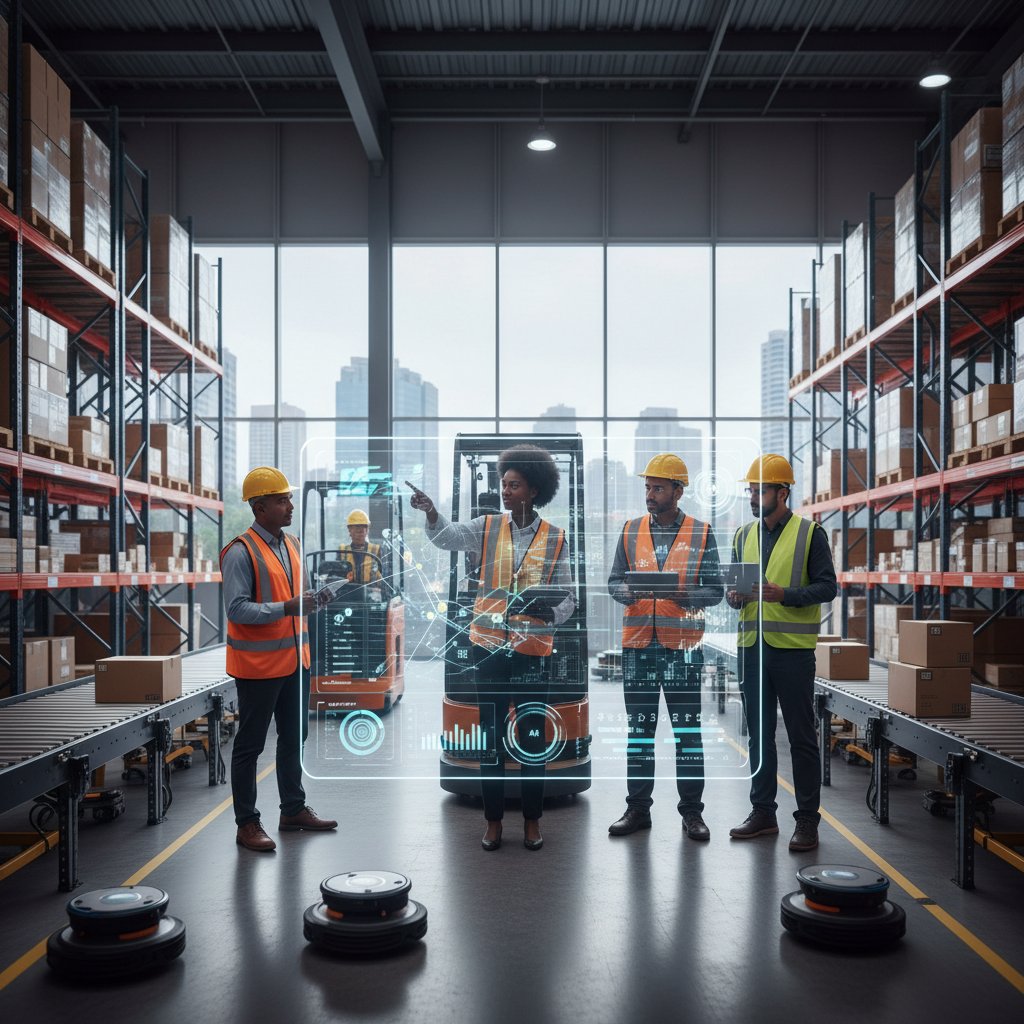
The rise of AI-enabled supply chain analytics doesn’t mean robots are coming for every job—but roles are changing fast. Mundane, repetitive tasks are increasingly automated, freeing up humans for higher-level analysis and exception management. The new sought-after skills? Data literacy, critical thinking, and the ability to interrogate AI outcomes—not just accept them.
As AI takes over forecasting, route planning, and procurement triage, employees at every level are asked to play the role of “AI translator”—connecting the dots between automated insights and business reality.
Winners, losers, and the ethics of automation
Who wins in the AI supply chain revolution? Organizations that invest in upskilling, foster a culture of transparency, and keep humans in the loop. Who loses? Those that treat AI as a tech toy, ignore ethical dilemmas, or cling to manual processes out of fear.
Leaders have a moral obligation to ensure automation doesn’t just benefit the bottom line, but also supports workforce transformation. As industry voices repeatedly stress:
"Automation isn’t just a tech issue—it’s a human one." — Taylor, operations strategist (quote based on aggregated research trends)
What’s next: The future of AI-enabled supply chain analytics
Emerging trends and radical scenarios
The next wave of AI-enabled supply chain analytics isn’t about shinier dashboards—it’s about radical new capabilities: autonomous supply networks, AI-vs-AI logistics, and even quantum analytics. But the real shift? Collaboration between technology, academia, and industry to solve problems no one can tackle alone.
Platforms like futuretoolkit.ai are now vital resources—curating best practices, supporting integration, and fostering community learning without the need for technical expertise.
Unconventional uses for AI-enabled supply chain analytics:
- Disaster relief logistics: Dynamic rerouting for aid delivery during crises.
- Circular supply networks: Tracking, reclaiming, and reusing assets in a closed loop.
- Supply chain gamification: Incentivizing employee engagement with AI-driven metrics.
Preparing for the next disruption
Here’s the inconvenient truth: disruption isn’t a question of if, but when. The pace of change is relentless, and those who cling to 2010s-era processes will find themselves outmaneuvered. Resilience and flexibility—powered by AI-enabled analytics—are the new table stakes. Organizations must build adaptive cultures, invest in cross-functional teams, and keep their eye on the data pulse.

People, process, and technology—each must evolve in lockstep. Without a relentless drive to adapt, even the most sophisticated AI will become just another abandoned system on the digital scrapheap.
Conclusion: Rethinking everything you know about supply chains
If you’ve made it this far, you already know: AI-enabled supply chain analytics isn’t a fad, a buzzword, or a nice-to-have. It’s the edge between surviving and thriving in a world that rewards speed, transparency, and brutal honesty. We’ve looked at the pain of old systems, the promise and peril of AI, and the very human journey that underlies the tech. The opportunity is massive—but so is the risk of complacency.
So, the challenge is simple: will you lead, or will you lag? As the dust settles on the latest disruption, only those willing to confront hard truths and embrace bold futures will come out ahead. For organizations serious about transformation, resources like futuretoolkit.ai offer a launching pad—not just to adopt AI, but to master it. The clock is ticking. The data never sleeps. The future is already here.
Sources
References cited in this article
- Lingaro Group(lingarogroup.com)
- KPMG(kpmg.com)
- Market.us(market.us)
- Bestarion(bestarion.com)
- Gartner(gartner.com)
- Forbes(forbes.com)
- DataCamp(datacamp.com)
- Kings Research(kingsresearch.com)
- LinkedIn(linkedin.com)
- Clearspot.ai(clearspot.ai)
- World Economic Forum(weforum.org)
- Meticulous Research(meticulousresearch.com)
- Forbes(forbes.com)
- Georgetown JIA(gjia.georgetown.edu)
- Logility(logility.com)
- TalkFreight.ai(talkfreight.ai)
- PwC(pwc.com)
- IJRASET(ijraset.com)
- Oracle SCM(oracle.com)
- MDPI Sustainability(mdpi.com)
- Medium(medium.com)
- CIO(cio.com)
- SupplyChainDive(supplychaindive.com)
- CDO Times(cdotimes.com)
- EY(ey.com)
- Modernizing Retail Supply Chain Challenges(mytotalretail.com)
- ZipDo(zipdo.co)
- Marketsy(marketsy.ai)
- ThroughPut AI(throughput.world)
- Agillitics(agillitics.com)
- ITRex(itrexgroup.com)
- Domo(domo.com)
- Virtasant(virtasant.com)
- Microsoft Cloud Blog(microsoft.com)
Empower Your Business with AI
Futuretoolkit.ai empowers businesses of all sizes to harness the power of AI effortlessly, offering specialized solutions across diverse business functions without the need for technical expertise. Whether it's automating customer interactions, optimizing operations, or analyzing complex data, our AI toolkit streamlines processes, increases efficiency, and fuels growth. With easy integration, intuitive interfaces, and powerful AI models, Futuretoolkit.ai offers unmatched accessibility and value, enabling users to achieve measurable outcomes quickly and cost-effectively.
Get startedReady to Empower Your Business?
Start leveraging AI tools designed for business success
Frequently Asked Questions
What are the main problems with traditional supply chain management?
According to KPMG (2024), nearly 50% of organizations acknowledge that outdated systems slow them down and expose them to failures. Legacy processes lead to inventory pileups, lost shipments, misaligned forecasts, and bleeding money and reputation, with small and mid-sized businesses being hit particularly hard due to lack of buffers and bargaining power.
What is the projected growth of AI in supply chain analytics?
According to Market.us (2024), the AI market in supply chain is projected to grow at a CAGR of 42.7%, anticipated to reach $157.6 billion by 2033.
Why is AI-enabled supply chain analytics becoming essential now?
The pressure on supply chains has shifted from just cutting costs to avoiding inefficiency, dodging global shocks, and outthinking risks before they escalate. The pandemic exposed the fragility of global logistics and forced organizations to adopt AI analytics to build resilience against volatility.
Was AI in supply chain management previously accessible to smaller businesses?
For years, AI analytics in supply chains was expensive, mysterious, and seemingly out of reach for average businesses, being primarily a tool for Silicon Valley and tech giants. However, the situation has changed with broader adoption and market growth.
Continue Reading
Keep exploring Comprehensive business AI toolkit

AI-Driven Supply Chain Management: What Companies Actually Face

AI-Driven Inventory Management: Where the Hype Meets Reality

AI-Driven Logistics Optimization: Wins and Failures in Practice

AI-Driven Supply Chain Planning: What Works Versus Hype

AI-Powered Organizational Analytics and the Real Power Shifts Ahead
