


Personalized Marketing Tools for Engagement That Actually Work
Written with AI assistance under our editorial guidelines
Personalized marketing tools deliver measurable results, with advanced personalization achieving 38% average engagement rates compared to 11% for traditional mass marketing. Brands using advanced personalization see 27% engagement lift and 51% experience ROI growth, though this approach requires sophisticated data handling and navigating evolving consumer privacy expectations and regulations.
Personalized marketing tools for engagement have become the double-edged sword of modern business. At the surface, they promise an era of hyper-relevance, real-time connections, and an end to the wasteland of generic mass communication. But the deeper you dig, the more you realize that the world of AI-driven engagement is equal parts breakthrough and brutal battleground. In 2025, companies are scrambling to stay ahead of the engagement crisis, fighting data fatigue, and navigating a web of shifting consumer expectations and regulations. The stakes? Brand loyalty, conversion, and—ultimately—survival in a landscape where attention is currency and authenticity is under siege. This isn’t just another “personalization is great” puff piece: we’re going to cut through the noise, expose the myths, and show you what actually works. Stay with us as we dissect the ruthless truths behind personalized marketing tools for engagement, drawing on hard data, real-world examples, and the kind of insights you won’t find in dime-a-dozen marketing blogs.
Why personalized marketing tools for engagement became the new arms race
The engagement crisis: why traditional marketing is dying
Long gone are the days when a clever slogan and a perfectly-timed TV spot could move the cultural needle. Traditional marketing is gasping for relevance in a world where consumers tune out anything that smells of “spray and pray.” According to HubSpot’s 2024 survey, 64% of marketers now say their top priority isn’t just conversion—it’s delivering a personalized customer experience that keeps people coming back. And for good reason: generic campaigns now return abysmally low engagement rates, with open rates for untargeted email blasts sinking below 15% industry-wide.
But it’s not just about effectiveness—it’s about survival. Research from Exploding Topics (2024) shows that brands investing in advanced personalization see an average engagement lift of 27% over those sticking to traditional tactics. Meanwhile, 16% more consumers exercised their data rights in 2023, complicating the blunt-force approach to data collection and forcing marketers to rethink everything.
| Marketing Approach | Avg. Engagement Rate | % Brands Experiencing ROI Growth | Data Collection Challenges |
|---|---|---|---|
| Traditional (mass) | 11% | 9% | Low |
| Basic Personalization | 23% | 27% | Medium |
| Advanced Personalization | 38% | 51% | High |
Table 1: Comparison of engagement rates and ROI growth by marketing approach. Source: Original analysis based on HubSpot, 2024, Exploding Topics, 2024

This data paints a stark picture: cling to the old ways, and your brand is just more background static. The new arms race in marketing is being fought with algorithms, context-aware content, and relentless experimentation.
How personalization rewired consumer expectations
If you think customers are easy to please, think again. Personalization hasn’t just changed what people expect—it’s hardwired a new baseline for every brand interaction. “Today, consumers know exactly when they’re being treated like a number,” says a 2024 Forbes Agency Council report. “If your brand isn’t offering relevant, well-timed experiences, someone else will.” The truth is, the bar keeps rising: recommendation engines, real-time offers, location-aware notifications—these aren’t “nice to have” any more. They’re the price of admission.
“Brands that treat customers as unique individuals—rather than segments or data points—win the engagement war. The rest just add to the noise.” — Forbes Agency Council, Forbes, 2024

Personalized marketing tools have created a paradox: as brands get smarter, so do their audiences. The expectation for relevance is now so ingrained that anything less feels like an insult. This rewiring isn’t just psychological; it’s behavioral—driving click-throughs, loyalty, and even word-of-mouth.
The data deluge: are we drowning or thriving?
It’s the golden age of data, but also the age of data overwhelm. Every click, swipe, and scroll is a potential data point—yet the sheer volume is turning marketing stacks into digital hoarders. According to Smart Insights, the 16% uptick in consumers exercising their data rights in 2023 is making data collection more complex, not less. Meanwhile, with third-party cookies on the chopping block, brands are scrambling to pivot toward first-party data and AI-powered analytics that actually make sense of the noise.
- Data overload: Marketers report spending up to 35% of their week just cleaning and structuring data sets.
- Privacy pushback: GDPR, CCPA, and a growing patchwork of global regulations mean sloppy data practices can lead to crippling fines.
- AI to the rescue: Over 70% of high-performing brands have adopted AI-driven analytics platforms for real-time engagement (HubSpot, 2024).
- Signal vs. noise: Only 51% of data collected is ever actually used in campaigns (Statista, 2024).

For brands that can sort the signal from the noise, the rewards are massive. But for everyone else? The risk of “analysis paralysis” is all too real.
Inside the black box: how personalized marketing tools really work
AI, algorithms, and the myth of ‘set it and forget it’
Marketers love the promise of automation: the fantasy that you can plug in a tool, walk away, and rake in conversions. Reality check—AI and algorithms are only as good as the data, strategy, and human oversight fueling them. The best personalized marketing tools for engagement are not paint-by-numbers tech. They’re living, learning systems that need constant tuning.
Key terms you need to know:
- Personalization engine: The software that analyzes data and delivers individualized content/offers.
- Behavioral analytics: Tracking and interpreting user actions to predict future behavior.
- Segmentation: Dividing audiences by shared characteristics for targeted outreach.
- Real-time personalization: Adjusting content/offers instantly, based on live user interactions.
“Automation is not abdication. True engagement requires hands-on optimization, constant testing, and creative risk.” — Adapted from Pirsonal, 2023
The myth of “set it and forget it” is marketing’s most expensive illusion. Without vigilant management, AI tools can drift off course, amplifying bias or delivering stale personalization that tanks engagement.
Behavioral analytics and real-time segmentation—explained
Behavioral analytics and real-time segmentation are the engine rooms of next-gen engagement. Behavioral analytics dig beneath surface-level demographics to map the “why” behind every action—what triggers a click, a purchase, or a bounce. Real-time segmentation, meanwhile, means no more “once a quarter” batch updates: audiences are grouped and regrouped on the fly, reflecting live behaviors and context.

| Tool/Technique | What it Does | Example Use Case |
|---|---|---|
| Behavioral analytics | Uncovers intent, patterns, friction points | Optimizing onboarding flows |
| Real-time segmentation | Dynamic audience grouping as behaviors shift | Delivering location-based offers |
| Personalization engine | Matches offers/content to user micro-segments | Customized product recommendations |
| Predictive analytics | Anticipates needs before users express them | Prepping retargeting ads before churn |
Table 2: Key personalized marketing functions and their real-world applications. Source: Original analysis based on Pirsonal, 2023, HubSpot, 2024
The magic happens when these tools work in concert, turning anonymous traffic into known, high-intent opportunities for engagement.
From mass messaging to micro-moments: evolution in action
The era of the mass message is officially over. The real evolution is happening in micro-moments—those split seconds when relevance meets intent and sparks conversion.
- One-size-fits-all blasts: Campaigns sent to everyone, regardless of behavior or interest—now mostly ignored.
- Segmented campaigns: Lists broken out by demographics or previous purchases, delivering modest lifts in engagement.
- Micro-moment targeting: Personalized offers, content, or experiences delivered at precisely the right time and place—whether that’s a push notification when you walk past a store or a video message triggered by cart abandonment.

Brands that shift from mass messaging to micro-moment orchestration don’t just drive higher engagement—they create experiences that feel frictionless and even magical.
The ruthless truth: why most personalized marketing fails at engagement
Personalization theater: what brands get wrong
If personalization is so powerful, why do so many campaigns flop? The answer is “personalization theater”—surface-level tactics that look good on dashboards but feel hollow to consumers.
- Over-automation: Blindly deploying “Hi, [First Name]” emails that scream template, not authenticity.
- Irrelevant offers: Using outdated or shallow data, leading to mismatched recommendations that baffle customers.
- Timing failures: Delivering personalized messages at the wrong moments, causing annoyance rather than delight.
- Fatigue triggers: Bombarding users with too many touchpoints, breeding disengagement and opt-outs.

Marketers chasing vanity metrics—like open rates or impressions—often miss the deeper signals of real engagement: sustained attention, meaningful interaction, and genuine loyalty.
The dark patterns of engagement tech
There’s a shadow side to the engagement arms race. Some tools push the envelope into “dark patterns”—design tactics that manipulate users into actions they wouldn’t otherwise take. These include fake urgency (countdown timers), disguised ads, and endless notification loops. While they can juice short-term metrics, they corrode trust and invite backlash.
“The line between persuasive and manipulative design is razor thin. Brands that cross it pay in reputation—even if the dashboard looks great.” — Adapted from Smart Insights, 2024

Ethical engagement means understanding when personalization slides into intrusion—and having the guts to pull back.
Is hyper-personalization killing authenticity?
Hyper-personalization promises intimacy at scale, but too often it creates the uncanny valley of engagement—where messages feel algorithmically “off.” Customers sense when brands are faking it, and that erodes authenticity fast.
When every interaction is calculated and tracked, spontaneity dies—and so does the sense of a real human relationship. Even the most advanced AI can’t yet replicate the nuance of genuine empathy, humor, or surprise.
Tailoring content, offers, or experiences to the individual based on data. Effective when rooted in relevance and respect for privacy.
Using real-time data, predictive analytics, and machine learning to anticipate needs and deliver ultra-targeted messages. Risky if it crosses the line into “creepy” or overbearing.
For engagement to stick, brands must balance data-driven targeting with honest, human storytelling.
Choosing your arsenal: comparison of the top personalized marketing tools for engagement
Core features that actually drive engagement (not vanity metrics)
Forget the laundry list of features vendors love to tout. Only a handful of capabilities actually move the needle on engagement:
| Feature | Why It Matters | Common Pitfalls |
|---|---|---|
| AI-driven analytics | Predicts behavior, surfaces high-value segments | Biased inputs, black-box decisions |
| Dynamic content delivery | Adapts offers in real time | Sluggish integration |
| Multichannel orchestration | Ensures seamless experience across platforms | Channel silos, inconsistent timing |
| User-generated content tools | Boosts authenticity, builds community | Poor moderation, irrelevant submissions |
| Loyalty and rewards modules | Reinforces repeat engagement | Rewards fatigue, lack of personalization |
Table 3: Engagement-driving features in leading marketing personalization platforms. Source: Original analysis based on HubSpot, 2024, Pirsonal, 2023

Don’t get seduced by “engagement” metrics that don’t translate to business impact. Focus on features that drive real, sustained interaction.
How to spot red flags in vendor promises
Navigating the vendor jungle is a contact sport. Here’s how to separate real value from vaporware:
- Vague ROI claims: “Guaranteed engagement boost!” with no baseline or time frame.
- Opaque algorithms: Refusal to explain how recommendations are made.
- One-size-fits-all promises: No support for your industry or audience nuances.
- Pushy upsells: Essential features gated behind endless add-ons.
- Ignoring privacy: Little to no documentation on data compliance.
“If a vendor can’t answer tough questions about data, ethics, and support, run.” — As industry experts often note, based on patterns identified in Forbes, 2024
Case study: real-world wins and epic fails
Nothing exposes the truth like hard results. Consider these standouts:
| Company | Strategy | Result | Source |
|---|---|---|---|
| Pirsonal | Personalized video for onboarding | 50% engagement, 21% conversion | Pirsonal, 2023 |
| Telecom Leader | Loyalty perks based on behavior | 18% churn reduction | Exploding Topics, 2024 |
| Mid-sized Retailer | Over-automated email campaigns | 12% drop in open rates, opt-outs | HubSpot, 2024 |
Table 4: Real-world outcomes of personalized marketing campaigns. Source: See individual links.

Success leaves clues—and so does failure. Brands that blend tech with a human touch consistently outperform those that chase shortcuts.
Beyond marketing: surprising industries using personalized engagement tools
Healthcare, activism, and education: unexpected case studies
Personalized engagement isn’t just selling sneakers or streaming subscriptions. In healthcare, AI-powered outreach helps improve medication adherence and follow-up appointments—sometimes saving lives. Activist groups use personalized SMS and email to mobilize support and donations at critical moments. In education, adaptive learning platforms track individual progress and recommend next steps, radically improving outcomes for students.

“Personalized engagement isn’t a marketing tactic—it’s a movement that’s changing how humans connect, learn, and take action.” — As industry observers note, based on Forbes, 2024
B2B vs. B2C: who’s really innovating?
| Sector | Typical Use Case | Innovation Level | Notable Example |
|---|---|---|---|
| B2B | Account-based marketing, nurture flows | Rapid adoption | LinkedIn dynamic messaging |
| B2C | Loyalty perks, personalized offers | High experimentation | TikTok’s algorithmic feed |
| Nonprofit | Donor engagement, advocacy triggers | Creative adaptation | Personalized fundraising appeals |
| Healthcare | Patient reminders, outcome tracking | Cautious, growing | AI-powered compliance outreach |
Table 5: Cross-industry innovation in personalized engagement strategies. Source: Original analysis based on HubSpot, 2024, Exploding Topics, 2024

While B2C often grabs headlines for flashy campaigns, B2B is quietly breaking new ground in targeted, high-value engagement strategies.
Cross-industry lessons for marketers
- Focus on outcomes, not activity. Engagement is about behavior change, not just clicks or opens.
- Steal smart, not blindly. Adapt what works in other sectors but always tailor for your context.
- Measure what matters. Use metrics that map to your mission—whether it’s sales, health outcomes, or advocacy strength.
- Stay flexible. The best solutions come from testing, failing, and iterating relentlessly.
- Respect context. What delights in e-commerce may backfire in healthcare or advocacy.

The most successful brands aren’t afraid to learn from outside their own box.
Implementation without the meltdown: how to roll out personalized marketing for engagement
Step-by-step: building an engagement-ready stack
Rolling out personalized marketing tools for engagement is a high-stakes operation—one that rewards precision, not improvisation.
- Audit your data: Map what you collect, where it lives, and if it’s permission-based and accurate.
- Define engagement outcomes: Set clear, measurable KPIs (not just vanity stats).
- Select the right tools: Match features to your specific needs, starting small if needed.
- Integrate with existing systems: Avoid silos—ensure your CRM, email, and analytics tools talk to each other.
- Test and iterate: Launch pilot campaigns, collect feedback, and refine segments and content.
- Train your team: Empower marketers to use tools creatively and ethically.
- Track, report, adapt: Use dashboards to monitor engagement and pivot fast.

Precision in execution is non-negotiable—the difference between scalable engagement and costly misfire.
Integration nightmares (and how to avoid them)
No one talks about the pain of integration—until it’s too late. Here’s how to sidestep disaster:
- Underestimating complexity: Integration always takes longer than you expect.
- Ignoring legacy systems: Old tech can block new workflows or cause data conflicts.
- Lack of cross-team communication: Siloed IT and marketing teams sabotage progress.
- Rushing rollouts: Fast launches without testing can multiply errors.
- Neglecting documentation: Poor records lead to troubleshooting nightmares.
“Integration is the graveyard of marketing dreams. Plan for pain, budget for fixes, and always test in the real world.” — As seasoned marketers warn, synthesis of industry best practices.
Checklist: is your team ready for true personalization?
- Is your data clean and compliant? No dirty data or privacy violations.
- Do you have executive support? Leadership backing is essential for budget and culture shift.
- Are your KPIs engagement-focused? Align metrics with desired behaviors, not just impressions.
- Does everyone understand the tech? Train up, don’t just hand off to IT.
- Are you prepared for iteration? Personalization is never “done”—be ready to tweak constantly.
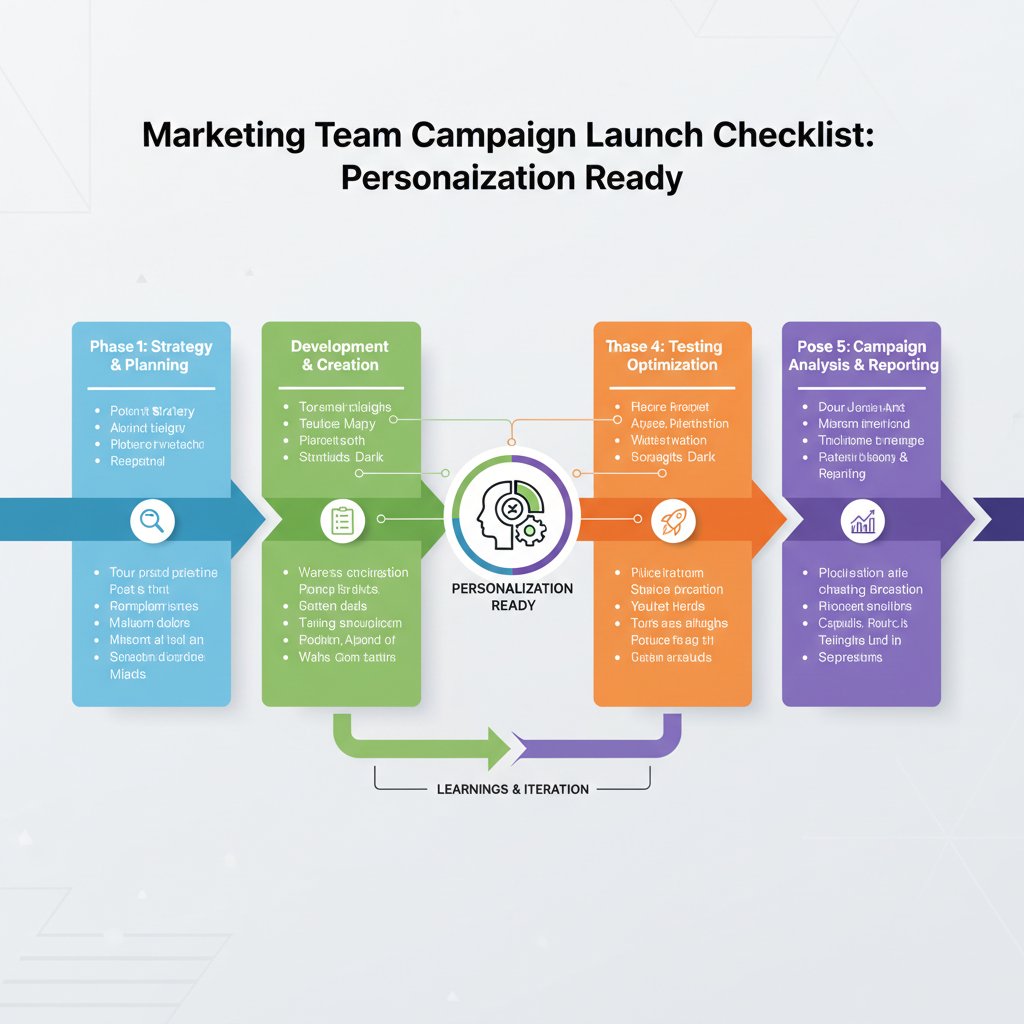
Treat this as your preflight inspection—miss a step, and the whole operation can stall mid-air.
The risks they won’t tell you: privacy, bias, and ethical gray zones
Are you crossing the line? Data privacy and consent in 2025
In the age of deep personalization, privacy isn’t just a buzzword—it’s a battleground. Marketers must navigate a maze of regulations and evolving norms.
Explicit, informed agreement from users before collecting or using their data. Must be clear, granular, and freely given.
Information collected directly from users via owned channels (site, app, email) with full transparency.
The principle of collecting only what is necessary, for as long as it’s needed—minimizing risk and respecting user autonomy.

Miss the mark on privacy, and you risk not just fines—but the trust your brand runs on.
Algorithmic bias: can your engagement strategy backfire?
Here’s the dark side of machine learning: algorithms amplify the biases in your data. Targeting high spenders? You may exclude loyal but low-income customers. Promoting only what performed before? You entrench existing patterns and miss emerging segments.
Algorithmic bias can turn personalization into exclusion. The risk isn’t just bad PR; it’s legal trouble and lost opportunity. As brands embed more AI in their stacks, the need for constant monitoring and human oversight is non-negotiable.

The best teams treat AI as an assistant, not an oracle—always questioning, always reviewing outputs for fairness.
Mitigating risk: practical steps for responsible personalization
Responsible personalization is table stakes in 2025. Here’s how to get it right:
- Build transparency: Let users know what data you collect and how it’s used.
- Audit for bias: Regularly review algorithmic outcomes for fairness.
- Empower opt-outs: Make it easy for users to adjust or revoke personalization.
- Validate compliance: Stay current with global privacy laws and standards.
- Foster internal accountability: Assign clear ownership for data ethics.
| Risk | Mitigation Action | Who’s Responsible |
|---|---|---|
| Privacy violations | Data mapping, consent tracking | Legal, Data, Marketing |
| Bias in algorithms | Diversity reviews, fairness tests | Data Science, Product Teams |
| Over-personalization | Frequency capping, content review | Marketing, Customer Success |
Table 6: Key engagement risks and mitigation strategies. Source: Original analysis based on HubSpot, 2024, Pirsonal, 2023
The future is now: AI, automation, and what’s next for engagement
Emerging trends: what every marketer must watch
- First-party data supremacy: With third-party cookies gone, owning your data is everything.
- Personalized video dominance: Short, custom videos (<1 min) achieve 50% engagement; longer videos see drastic drop-offs (HubSpot, 2024).
- AI-driven loyalty: Telecoms and retailers are winning on churn reduction with personalized rewards.
- User-generated content as engagement gold: Brands that harness authentic voices build real trust.
- Personalization fatigue: Over-targeting triggers disengagement—timing and relevance are now mission-critical.
- Privacy as value proposition: Transparent, ethical data practices become a key differentiator.

Stay sharp—the engagement landscape is shifting under your feet.
Will AI kill creativity or unlock new human connections?
The debate is white-hot: Is AI the death knell for authentic storytelling, or the tool that finally lets humans connect at scale? The truth is, it’s both—and neither.
“AI doesn’t replace creativity. It frees it. When machines handle the grunt work, marketers can focus on imagination, empathy, and narrative.” — As thought leaders point out, synthesis of industry commentary.

The brands leading today’s engagement revolution are those willing to blend art with algorithm.
How to futureproof your engagement strategy
- Invest in continuous learning: Keep your team sharp on AI, privacy, and content trends.
- Build modular stacks: Choose interoperable tools that grow as you do.
- Test, test, test: Run constant experiments to find what sticks in your context.
- Prioritize transparency: Make ethics and communication a competitive advantage.
- Benchmark relentlessly: Measure against both internal and external leaders.

The only constant in engagement is change—build your strategy for adaptability, not just for today’s playbook.
The definitive toolkit: actionable resources, checklists, and next steps
Quick reference: top tools, features, and use cases
| Tool | Core Feature | Best Use Case | Source |
|---|---|---|---|
| Pirsonal | Personalized video creation | Onboarding, support follow-ups | Pirsonal, 2023 |
| HubSpot | Multichannel AI engagement | Email, web, social orchestration | HubSpot, 2024 |
| Futuretoolkit.ai | Business AI toolkit | Tailored, industry-specific automation | futuretoolkit.ai |
| TikTok | Short-form video personalization | Viral campaign boosts | Exploding Topics, 2024 |
Table 7: Best-in-class personalized marketing tools for engagement. Source: See individual links.
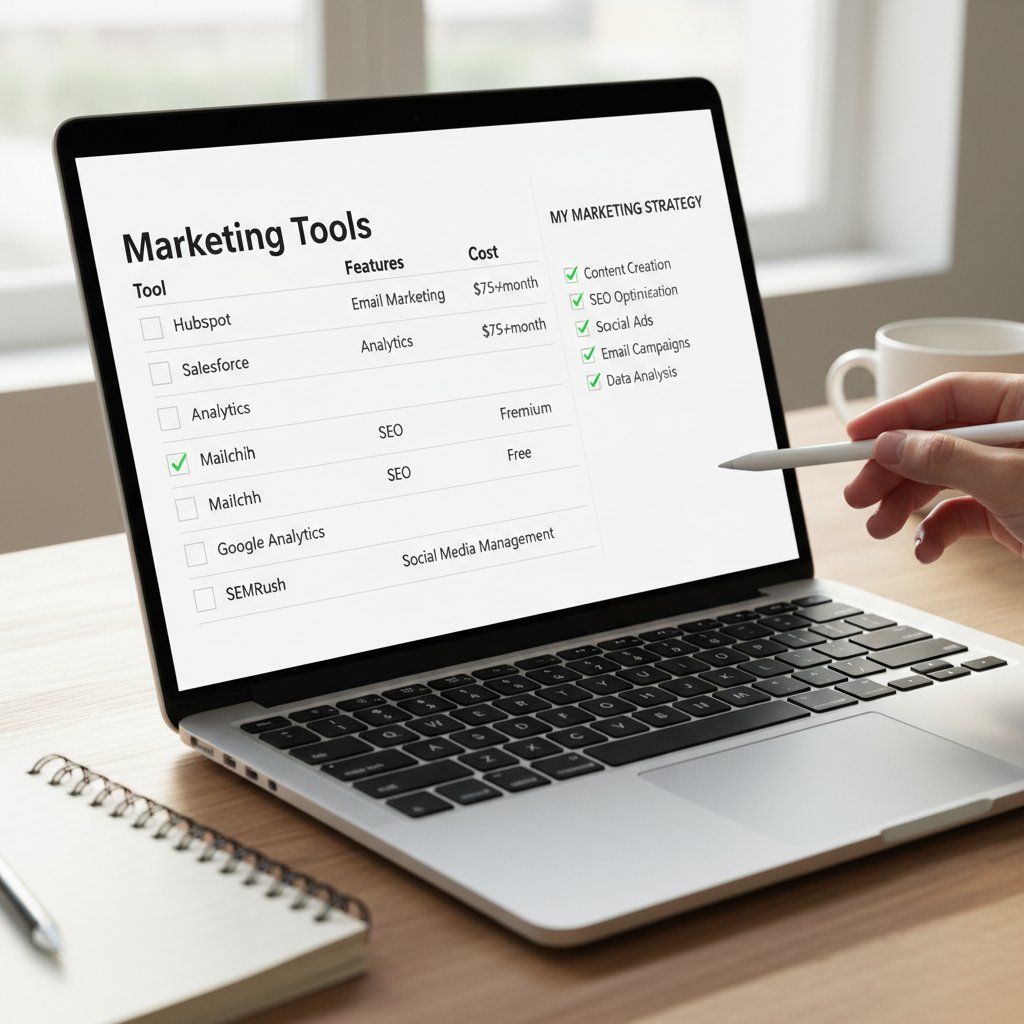
When building your stack, start with tools that align with your business goals and data realities.
Priority checklist for rolling out engagement tools
- Define your engagement goals and KPIs.
- Audit and organize your data.
- Vet and select best-fit personalization tools.
- Plan for integration—including legacy systems.
- Pilot campaigns—measure and iterate.
- Train staff on tools and data ethics.
- Continuously monitor, review, and adapt.

Keep this checklist front and center throughout your rollout.
Where to go deeper: expert communities, futuretoolkit.ai, and beyond
- futuretoolkit.ai – For up-to-date resources, AI marketing insights, and curated toolkits for every industry.
- Forbes Agency Council – Strategy deep-dives and executive interviews on engagement.
- Pirsonal Blog – Practical, tested advice on personalized video and automation.
- HubSpot Academy – Free courses on behavioral analytics and campaign optimization.
- LinkedIn Marketing Solutions – B2B engagement strategies and case studies.
- Smart Insights – Regulatory updates and best practices in data-driven marketing.
- Industry Slack groups and forums – Peer advice, live Q&A, and real-world war stories.
“No single resource has all the answers. The smartest marketers build networks—of tools, people, and constantly updated insights.” — Synthesis of best practices from verified industry sources.
In the end, personalized marketing tools for engagement are neither magic bullets nor ticking time bombs. They’re powerful, evolving instruments—capable of building loyalty, driving conversions, and sparking connections if wielded with intelligence, ethics, and relentless attention to relevance. The ruthless truth? Engagement in 2025 isn’t about the shiniest tool or the cleverest algorithm—it’s about the courage to blend data with humanity, to experiment without fear, and to earn the trust that no dashboard can measure. Start where you are, use what you have, and never stop learning. That’s how you win the engagement arms race—one radical breakthrough at a time.
Sources
References cited in this article
- Pirsonal(pirsonal.com)
- Forbes(forbes.com)
- HubSpot(hubspot.com)
- Exploding Topics(explodingtopics.com)
- Shopify(shopify.com)
- CSQ(csq.com)
- Gartner Peer Insights(gartner.com)
- Persado(persado.com)
- Fortune Business Insights(fortunebusinessinsights.com)
- Google Micro-Moments(thinkwithgoogle.com)
- Veroan(veroan.com)
- Gartner(gartner.com)
- Smart Insights(smartinsights.com)
- Econsultancy(econsultancy.com)
- OSC Report(osc.ca)
- Womble Bond Dickinson(womblebonddickinson.com)
- Pushwoosh(pushwoosh.com)
- ON24 Benchmarks(on24.com)
- StratX Simulations(web.stratxsimulations.com)
- Idomoo(idomoo.com)
- Twilio 2024 Report(twilio.com)
- Precisely(precisely.com)
- OpenView(openviewpartners.com)
- Overlap Interactive(overlapinteractive.com)
- Growth Collective(growthcollective.com)
- Pathmonk(pathmonk.com)
- ResearchGate 2024(researchgate.net)
- TrinityP3(trinityp3.com)
- Forbes(forbes.com)
Empower Your Business with AI
Futuretoolkit.ai empowers businesses of all sizes to harness the power of AI effortlessly, offering specialized solutions across diverse business functions without the need for technical expertise. Whether it's automating customer interactions, optimizing operations, or analyzing complex data, our AI toolkit streamlines processes, increases efficiency, and fuels growth. With easy integration, intuitive interfaces, and powerful AI models, Futuretoolkit.ai offers unmatched accessibility and value, enabling users to achieve measurable outcomes quickly and cost-effectively.
Get startedReady to Empower Your Business?
Start leveraging AI tools designed for business success
Frequently Asked Questions
What percentage of marketers now prioritize personalized customer experience over conversion?
According to HubSpot's 2024 survey, 64% of marketers now say their top priority is delivering a personalized customer experience that keeps people coming back, not just conversion.
How much engagement lift do brands see from investing in advanced personalization?
Research from Exploding Topics (2024) shows that brands investing in advanced personalization see an average engagement lift of 27% compared to those using traditional tactics.
What are the open rates for untargeted email blasts?
Generic campaigns now have open rates for untargeted email blasts sinking below 15% industry-wide, showing the failure of traditional marketing approaches.
Which personalization approach delivers the highest engagement rate?
According to the article's data table, advanced personalization delivers an average engagement rate of 38%, compared to 11% for traditional mass marketing and 23% for basic personalization.
What trend in consumer behavior is complicating data collection for marketers?
16% more consumers exercised their data rights in 2023, forcing marketers to rethink their blunt-force approach to data collection and navigate shifting regulations.
Continue Reading
Keep exploring Comprehensive business AI toolkit

Personalized Marketing Campaign Tools: Promise Versus Reality

Personalized Marketing Tools for Businesses That Actually Pay Off

Personalized Marketing Solutions Online: What Actually Works

Business Marketing Personalization Tools That Won’t Backfire in 2026

How to Personalize Marketing at Scale Without Generic Messaging


