


AI-Enabled Supply Chain Visibility Software That Actually Works
Written with AI assistance under our editorial guidelines
Effective AI-enabled supply chain visibility software requires more than dashboards and predictive widgets. Success depends on quality data, strong processes, and skilled people. While error rates in product classification reach 30%, organizations implementing AI analytics correctly report improved decision-making and measurable efficiency gains, but legacy system integration remains a significant barrier to digital transformation.
Forget the marketing gloss and sanitized webinars: the world of AI-enabled supply chain visibility software is a battlefield littered with both spectacular wins and sobering failures. If you think a slick dashboard and a few “predictive” widgets are all you need to tame chaos, buckle up. Real-time supply chain analytics and predictive logistics platforms promise transparency, resilience, and control. But beneath the surface, these tools expose brutal truths—and hidden opportunities—that most vendors would rather you never discover. This is your no-BS guide to how AI is actually reshaping supply chain visibility in 2025, what works, what’s a costly illusion, and how to avoid the gut-wrenching mistakes that wreck even the best-laid plans.
Supply chain leaders are under siege from volatile markets, geopolitical shocks, and the relentless pace of digitization. Everyone’s shouting about AI supply chain tools, but error rates still hover up to 30% in product classification, and the gaps between promise and reality remain wide enough to drive a truck through. According to Forbes, even the best AI-enabled systems are only as good as the data, people, and processes supporting them. Yet, for those who get it right, the payoffs are impossible to ignore: 75% of professionals using AI analytics in 2023 reported improved data-driven decisions, and predictive maintenance has juiced manufacturing efficiency by 22%. So what’s the difference between those who win and those who drown in the hype? Let’s pull back the curtain.
Why supply chain visibility is broken—and why AI matters now
The old world: Legacy systems and their fatal flaws
Legacy systems have long been the brittle backbone of global supply chains—sprawling ERP monsters stitched together by decades of bolt-on fixes and manual workarounds. Their greatest sin isn’t just being old; it’s their utter inability to keep up with the chaos of modern commerce. According to KPMG’s most recent supply chain report, integration with legacy systems is not just a headache—it’s a full-blown crisis, often stalling digital transformation before it even starts.
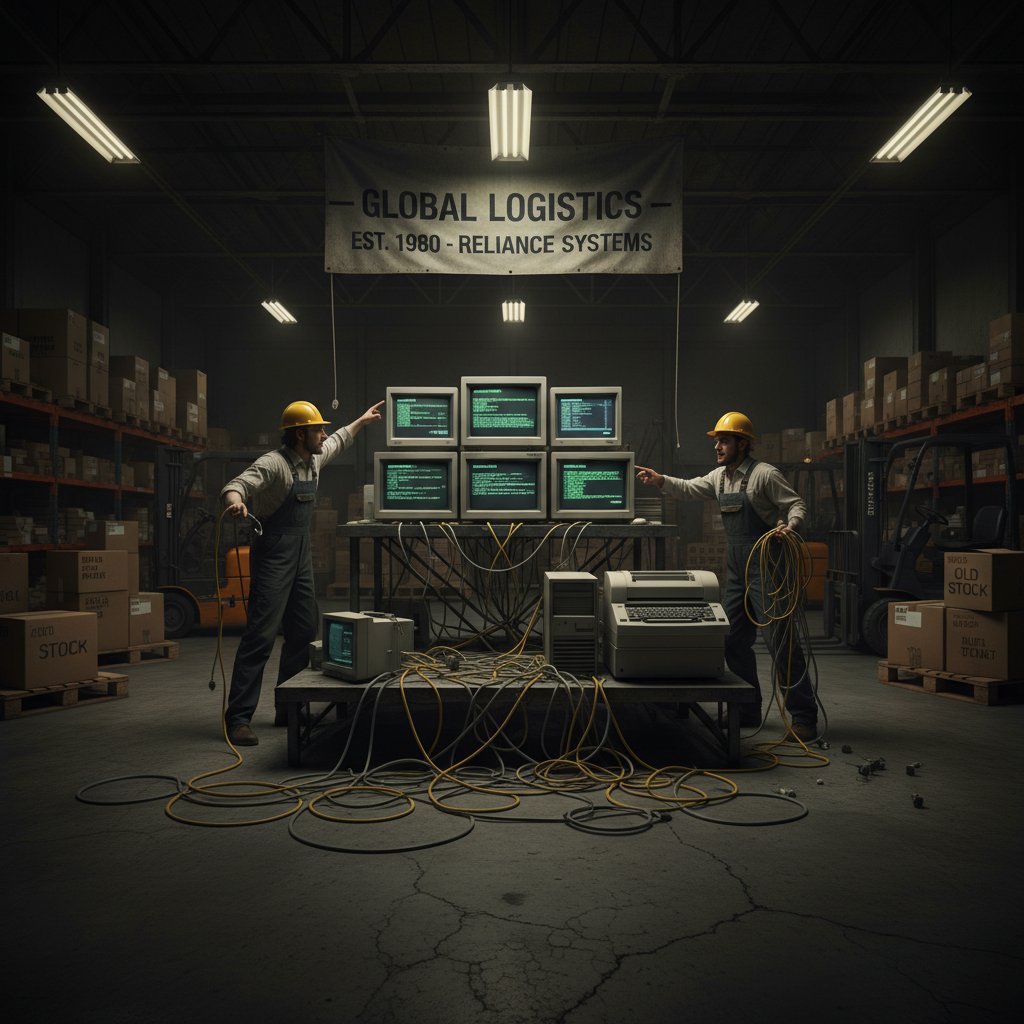
As one operations director at a major logistics firm told Forbes, “We still spend hours every week reconciling data between spreadsheets and our main system. It’s like playing whack-a-mole with bad information.”
“We still spend hours every week reconciling data between spreadsheets and our main system. It’s like playing whack-a-mole with bad information.”
— Operations Director, quoted in Forbes, 2024
The hard truth? Legacy tech locks businesses into slow, error-prone workflows. Data integration is patchy at best, making real-time insights a fantasy. When disruptions hit, these systems reveal their true colors: fragile, opaque, and fiercely resistant to change.
When chaos reigns: The modern supply chain’s complexity crisis
Modern supply chains are a tangled web of vendors, logistics partners, compliance requirements, and ever-shifting customer expectations. If you think a single software upgrade can fix this mess, you haven’t seen the inside of a global distribution center at the height of a crisis.
| Challenge | Impact on Supply Chain | Example |
|---|---|---|
| Data silos | Fragmented visibility | Different teams using incompatible systems |
| Poor data quality | Decision-making errors | Misclassified SKUs lead to out-of-stock situations |
| Manual processes | Slow response times | Manual input delays order fulfillment |
| Legacy system integration | High IT costs, frequent breakdowns | ERP crashes during peak demand |
| Unpredictable disruptions | Reactive supply strategies | Border closures, climate events, sudden shortages |
Table 1: Core barriers to supply chain visibility and their real-world consequences.
Source: Original analysis based on Forbes, 2024, KPMG, 2024
The ugly numbers tell the story: error rates in product classification can soar as high as 30% due to data gaps and system incompatibility. According to Market.us, up to 63% of AI adoption in the supply chain market is focused on machine learning, yet data silos and integration headaches remain unsolved for many organizations.
No surprise, then, that most supply chain professionals feel like they’re fighting a losing battle on multiple fronts. AI alone isn’t a magic bullet, but it’s fast becoming the only hope for wrangling complexity into something resembling order.
Enter AI: What’s actually new (and what isn’t)
AI’s arrival in the supply chain world is often pitched as a revolution. But let’s get real—algorithms alone don’t change anything unless you’ve got the right data, skilled people, and a willingness to challenge old habits.
AI-enabled visibility software is the latest in a long line of “solutions,” but it finally brings real-time analytics, predictive modeling, and machine-learning-driven insights to the frontlines. According to EY, 75% of supply chain professionals used AI analytics in 2023, shifting decision-making from gut instinct to data-driven rigor.
Definition List:
- AI-enabled supply chain visibility: Software platforms that use artificial intelligence (including machine learning, natural language processing, and predictive analytics) to provide real-time tracking, anomaly detection, and actionable insights across the end-to-end supply chain.
- Predictive logistics platform: Systems that use historical and real-time data to forecast disruptions, optimize routing, and anticipate inventory needs.
- Supply chain transparency AI: Tools that offer end-to-end traceability, enabling companies to spot risks, verify compliance, and react instantly to problems.
Yet even as AI advances, the core challenges—messy data, resistance from entrenched teams, and the drag of legacy infrastructure—persist. What’s new is the scale and speed of insight AI can deliver—if you’re willing to confront the brutal truths that come with it.
In short: AI in supply chain isn’t about replacing humans or magic fixes. It’s about using smarter tools to expose and tackle the risks that old systems hide.
Decoding the buzzwords: What does ‘AI-enabled visibility’ really mean?
From tracking to prediction: The tech behind the curtain
Many supply chain tools claim to be “AI-powered,” but what’s really going on under the hood? The leap from basic tracking to true predictive insight is the dividing line between commodity software and transformative platforms.
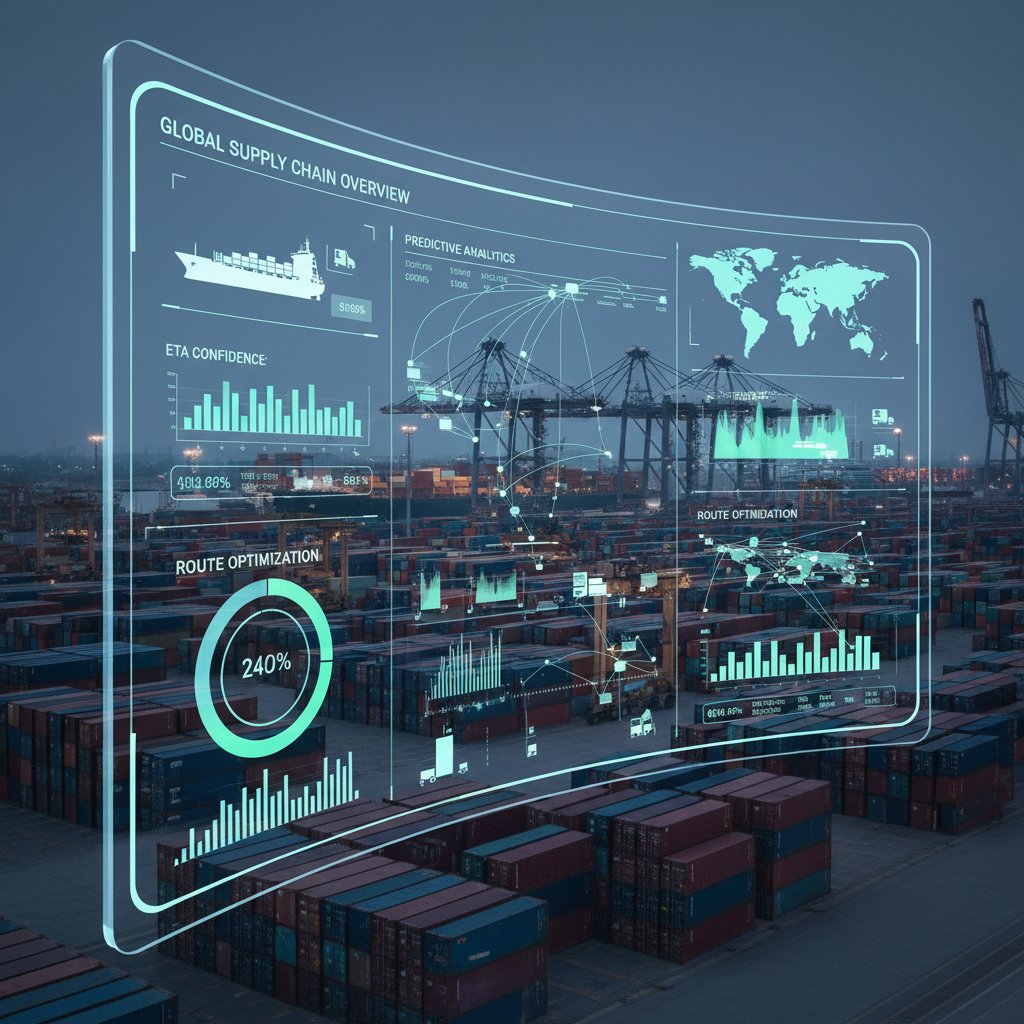
At the heart of AI-enabled visibility is the relentless processing of massive, messy datasets—sensor readings, shipping logs, weather reports, supplier histories—to flag anomalies and forecast trouble before it hits. According to recent research from the World Economic Forum, real-time analytics driven by AI have become the backbone of supply chain resilience, enabling businesses to “see around corners” and act proactively.
Definition List:
- Machine learning (ML): Algorithms that learn patterns from historical data to predict future outcomes, such as demand spikes or delivery delays.
- Digital twin: A real-time, virtual replica of a supply chain, used for scenario testing and risk analysis.
- Cognitive decision support: AI systems that augment human judgment, offering recommendations based on complex variables.
The reality? AI-enabled visibility isn’t just about more data—it’s about surfacing insights that would otherwise stay buried in the noise. It’s not a crystal ball, but it’s the closest thing supply chain leaders have to one in 2025.
Digital twins, machine learning, and other jargon explained
The jargon is thick, and not all buzzwords are created equal. Here’s what actually matters:
- Digital twins: Used for scenario planning, these virtual supply chains let you stress-test “what if” situations—think strikes, port closures, or supplier insolvency—before chaos erupts.
- Machine learning: Powers predictive maintenance, anomaly detection, and demand planning. According to Market.us, ML claims 63% of the AI supply chain tech market share.
- Natural language processing (NLP): Enables systems to ingest unstructured data (like supplier emails or customs forms) for smarter exception handling.
- Real-time analytics: Provides up-to-the-minute tracking and instant alerts—essential for perishable goods, regulated industries, and anyone tired of surprises.
- API integration: Connects legacy ERPs, IoT devices, and external partners into a single, usable stream of intelligence.
The key? Don’t be dazzled by jargon. Focus on what actually drives faster, smarter decisions—and demand proof.
Despite the hype, not every “AI-enabled” solution is created equal. The best tools integrate seamlessly, support human decision-makers, and provide true end-to-end transparency—not just a prettier dashboard.
What vendors don’t want you to ask
The AI supply chain market is a gold rush, and vendors are eager to sell you their latest “revolutionary” platform. But savvy buyers ask the questions that expose the cracks beneath the surface.
“The biggest myth is that AI will fix broken processes or bad data. If your foundation is shaky, AI just makes the cracks more obvious.”
— Supply Chain Expert, KPMG, 2024
Ask them about data integration, the real cost of implementation, and how the system handles incomplete or “dirty” data. Genuine AI-enabled supply chain visibility software doesn’t just automate chaos—it identifies and repairs the root causes, but only if you’re willing to confront uncomfortable truths.
In the end, the best question to ask any vendor: “What happens when the system gets it wrong?” If the answer is hand-waving or vague promises, keep walking.
Myths, lies, and wishful thinking: Debunking AI supply chain promises
‘Set it and forget it’—and other dangerous fantasies
AI vendors love to sell the dream of a plug-and-play miracle. The reality? Even the smartest AI-enabled supply chain visibility software is not a “set it and forget it” solution. Here’s why that fantasy will gut your ROI:
- Data doesn’t clean itself: Even top-tier AI tools choke on bad or incomplete data. According to KPMG, data silos and poor quality are among the biggest barriers to effective supply chain analytics.
- Human oversight is non-negotiable: EY reports that a lack of skilled human operators limits AI effectiveness. AI highlights issues; people solve them.
- AI can amplify mistakes: Overreliance on automation—especially without proper checks—can escalate small errors into systemic failures.
- System integration is brutal: According to recent studies, connecting AI tools to legacy software is a major pain point—often more costly than the software itself.
Believing the hype without a critical eye is the fastest route to disappointment.
Does AI really eliminate supply chain risk?
It’s tempting to believe that AI-enabled supply chain software can banish risk to the ash heap of history. Reality check: AI reduces some risks but can’t erase volatility or human error.
- AI identifies—but can’t prevent—every disruption: Climate events, sudden policy shifts, and black swan events still cause chaos. AI just helps you react faster.
- Algorithmic bias is real: If your historical data is skewed, AI recommendations will be too.
- System failures have consequences: When AI-based predictions are wrong, decisions can backfire spectacularly.
- Overconfidence is a silent killer: The more you trust the machine, the more blind spots grow.
“AI protects against shocks, but unpredictability is the new normal. Human operators must stay in the loop.”
— World Economic Forum, 2024
The upshot? AI is a powerful risk-reduction tool, not a risk-elimination magic wand.
The human factor: Jobs, roles, and resistance
Let’s get real about the “AI will take your job” narrative. Supply chain leaders who’ve been through failed rollouts know: the biggest barrier to AI adoption is human—resistance, fear, and skill gaps.

In practice, AI enables the best teams to do more, faster—but only when organizations commit to reskilling and collaborative workflows. According to a recent EY report, the most successful AI deployments blend cognitive decision support with human expertise. Job roles don’t disappear—they evolve, demanding deeper analytical skills and the courage to challenge the algorithm when it’s wrong.
Ignore the human side, and even the smartest AI platform turns into an expensive, underused toy.
Resistant employees, lack of trust, and poor training are silent saboteurs. Real transformation happens when companies treat AI as a partner, not a replacement.
Beyond the hype: Real-world case studies and cautionary tales
How one manufacturer dodged disaster—and another failed
Real-world outcomes are where AI-enabled supply chain visibility software proves its worth—or exposes painful flaws.
| Company | Approach | Result |
|---|---|---|
| Manufacturer A | Invested in AI-powered predictive maintenance and data integration | 22% increase in efficiency, avoided costly breakdowns |
| Manufacturer B | Overrelied on AI “black box” with poor data quality | Critical supply shortage, millions lost in downtime |
Table 2: Contrasting real-world outcomes from AI supply chain initiatives.
Source: Original analysis based on Forbes, 2024, EY, 2024
What separates winners from losers? Not the tech, but the groundwork—good data, human oversight, and ruthless focus on integration.
Manufacturer A dodged disaster by connecting AI tools to clean datasets and skilled operators. Manufacturer B ignored the warning signs, letting bad data drive decisions. The result: one thrives, the other becomes a cautionary tale.
AI-enabled software in action: Lessons from retail and pharma
Retail giants and pharmaceutical firms are among the most aggressive adopters of AI-enabled supply chain visibility software. Their lessons? Tech only delivers when paired with clear goals and relentless data hygiene.

Take the example of a major retailer that slashed out-of-stock rates by 30% using AI-driven demand forecasting. According to ServiceNow, the launch of AI workflows for supply chain automation in 2023 enabled faster exception handling and real-time performance tracking.
“Our AI tools helped us avoid overstocking and improved our reaction time to market shifts—but only after we invested in data cleansing and staff training.”
— Supply Chain Manager, ServiceNow case study, 2023
The winning formula? Combine AI, clean data, and empowered teams. Shortcut any step, and the magic disappears.
What went wrong: Top reasons AI supply chain projects implode
Despite the promise, not every AI rollout is a success. Here’s why projects fail—often spectacularly:
- Inadequate data preparation: Dirty, incomplete, or siloed data cripples AI effectiveness.
- Lack of skilled operators: Without trained personnel, even the best software is misused or ignored.
- Integration nightmares: Legacy system incompatibility leads to costly delays and limited functionality.
- Overhyped expectations: Believing AI is a magic bullet breeds disappointment and resistance.
- Vendor lock-in: Relying on a single provider creates dependency and stifles future growth.
Ignore these pitfalls, and your investment will become just another cautionary tale whispered in boardroom corners.
The bottom line: AI in supply chain is a high-stakes game. The difference between winners and losers is rarely the tech—it’s the discipline to confront hard truths and invest in foundational change.
The cost nobody talks about: Data, privacy, and security
Is more visibility always better? The dark side of transparency
Everyone loves the idea of end-to-end visibility. But here’s an uncomfortable truth: more data doesn’t always mean better decisions—or safer systems.

Full-spectrum transparency can expose sensitive competitive information, create new security vulnerabilities, and overwhelm teams with noise. According to KPMG, data silos may be a problem, but unfiltered data sprawl is just as dangerous. Hackers see supply chain dashboards as a gold mine, and breaches are on the rise.
As organizations rush to connect every node, the risks of privacy violations and intellectual property theft escalate. More visibility is a double-edged sword—handle with care.
Data bias, vendor lock-in, and the hidden price tag
AI-enabled supply chain visibility software isn’t just about licensing fees. There are hidden costs—some financial, some strategic—that too few leaders consider.
| Hidden Cost | Risk Description | Mitigation Strategy |
|---|---|---|
| Data bias | Skewed insights if historical data is flawed | Ongoing data audits, diverse datasets |
| Vendor lock-in | Future switching costs, limited flexibility | Favor open standards, negotiate exit clauses |
| Privacy risks | Exposure of sensitive data to third parties | Robust encryption, strict access controls |
| Integration overhead | Expensive and time-consuming system connections | Choose platforms with proven interoperability |
Table 3: Hidden costs and risks of AI supply chain platforms, with mitigation best practices.
Source: Original analysis based on KPMG, 2024, EY, 2024
The sticker price is just the beginning. Prepare for ongoing expenses—data cleaning, compliance, integration, and periodic retraining—all nonnegotiable for sustainable success.
Mitigating risk: What smart companies are doing now
Here’s what best-in-class organizations are doing to guard against the dark side of AI-enabled visibility:
- Regular data audits: Clean, validate, and test datasets to root out hidden errors before AI amplifies them.
- Privacy-by-design: Build access controls, encryption, and compliance protocols into every stage of data handling.
- Open architectures: Choose software that supports open APIs and avoids proprietary traps.
- Scenario planning: Use digital twins to stress-test for breaches, outages, or bad data events.
- Continuous training: Upskill teams to understand, challenge, and optimize AI recommendations.
Cut corners here, and all your gains risk turning to dust.
The best protection? Ruthless honesty and a willingness to invest in both tech and people.
Choosing the right AI supply chain visibility software: Brutal questions you must ask
Step-by-step guide: How to evaluate vendors and avoid regret
Drowning in demos? Every vendor claims to have the answer. Here’s how to cut through the noise and avoid buyer’s remorse:
- Clarify your business objectives: Don’t chase features; define the problems you must solve.
- Audit your data: Know what you have, where it lives, and if it’s fit for AI analysis.
- Test for interoperability: Demand proof of seamless integration with your existing systems.
- Request real-world use cases: Insist on evidence—case studies, client references, and measurable outcomes.
- Scrutinize security and compliance: Check certifications, audit trails, and response plans for breaches.
- Assess ongoing support: What happens post-implementation? Training, updates, and troubleshooting matter.
- Negotiate flexibility: Favor vendors who support open standards and minimize lock-in.
Taking these steps will separate hype merchants from true partners—and save you from expensive regrets.
Red flags and green lights: What separates winners from wannabes
When evaluating AI-enabled supply chain software, watch for these signs:
-
Red flags
- Vague answers about data integration
- Lack of real-world case studies
- Closed proprietary systems
- No clear plan for training or support
- Overpromising “set it and forget it” simplicity
-
Green lights
- Transparent onboarding process
- Evidence of successful integrations
- Open APIs and flexible architecture
- Proven data security protocols
- Commitment to ongoing partnership
“In this market, transparency isn’t just a feature—it’s a survival strategy. Pick partners, not peddlers.”
— Industry Analyst, Forbes, 2024
Smart companies treat vendor selection like a forensic audit, not a beauty contest.
DIY, off-the-shelf, or custom: Deciding what fits your business
Definition List:
- DIY (Do It Yourself): Building in-house systems offers control but demands deep expertise, time, and ongoing maintenance.
- Off-the-shelf: Prebuilt platforms offer speed and lower upfront cost, but may compromise on customization or long-term flexibility.
- Custom solutions: Tailored to your workflow, but require serious investment and vendor collaboration.
The right choice depends on your scale, resources, and appetite for complexity. Mid-sized firms often benefit most from hybrid approaches—modular platforms with customizable components, supported by partners who prioritize transparency and support.
One size never fits all. Choose a solution that aligns with your realities, not vendor wish lists.
The future is messy: Trends, predictions, and wildcards for 2025 and beyond
What’s coming next: AI, quantum, and the new supply chain order
If there’s one certainty in supply chains, it’s that uncertainty is here to stay. The landscape is shifting fast, driven by new tech and new threats.

Key trends shaping 2025’s supply chain visibility:
- Growth of real-time analytics for instant disruption response.
- Deeper integration of AI with IoT and blockchain for end-to-end traceability.
- AI-powered risk modeling to handle climate volatility and geopolitical shocks.
- Rise of “explainable AI” for auditability and regulatory compliance.
- Increasing demand for open, interoperable platforms over closed, monolithic systems.
According to the World Economic Forum, companies leveraging AI-enabled visibility are better shielded against unpredictable shocks—but only if they invest in the people, processes, and data hygiene needed to support it.
Regulation, ethics, and the backlash to algorithmic control
With great power comes great scrutiny. As AI’s influence grows, so does regulatory pressure and ethical debate.
| Regulation/Ethical Issue | Impact | Example |
|---|---|---|
| Data privacy (GDPR, CCPA) | Limits on data use/sharing | Consent requirements, cross-border rules |
| Algorithmic bias | Increased audit requirements | Demand for explainable AI |
| Supply chain sustainability | Mandated transparency, ESG reporting | Carbon tracking, labor compliance |
| Anti-monopoly law | Restrictions on vendor lock-in | Favors open standards, interoperability |
Table 4: Regulatory and ethical issues impacting AI supply chain platforms.
Source: Original analysis based on EY, 2024, World Economic Forum, 2024
Compliance is now a moving target. Companies must constantly adapt—balancing innovation with responsibility, or risk costly penalties and public backlash.
The best defense? Transparency, documentation, and a culture of ethical decision-making.
How to future-proof your strategy (and sanity)
- Invest in data quality: Clean, integrated data is the foundation of every win.
- Prioritize interoperability: Avoid vendor lock-in by choosing open architecture.
- Build multidisciplinary teams: Blend technical, operational, and ethical expertise.
- Stress-test your systems: Use digital twins and scenario planning to expose weaknesses.
- Embrace continuous improvement: Treat AI as an evolving partner, not a one-time project.
The future is messy, but the disciplined win by preparing for chaos, not avoiding it.
Actionable takeaways: What you can do tomorrow (and what you shouldn’t)
Quick reference: Checklist for AI supply chain readiness
Ready to make the leap? Here’s your brutally honest checklist:
- Is your data clean, accessible, and integrated?
- Do you have clear business objectives, not just a tech wish list?
- Are your teams trained to interpret and challenge AI output?
- Is your vendor transparent about integration, costs, and support?
- Have you planned for privacy, security, and compliance from day one?
- Are you ready to adapt your workflows—not just your software?
- Do you have executive buy-in and a plan for ongoing investment?
If you answered “no” to any of these, step back and address the basics before chasing the next shiny tool.
Hidden benefits experts won’t tell you
- Spotlight on hidden inefficiencies: AI often reveals process snags managers never knew existed—think rogue spreadsheets or outdated approval chains.
- Empowered employees: When teams see AI as a partner, not a threat, productivity and morale skyrocket.
- Faster crisis response: Real-time analytics shrink the window between disaster and decisive action.
- Better supplier relationships: Transparent data builds trust and drives mutually beneficial negotiations.
- Foundation for future innovation: Lay the groundwork now, and every future upgrade is easier, faster, and cheaper.
These “invisible” wins are often the real ROI drivers.
When to walk away (and why that’s sometimes the smartest move)
Sometimes, the best decision is to halt an AI project before it burns through your budget and credibility.
“If your data is a mess and your teams aren’t engaged, AI will only make your problems more expensive.”
— Illustrative, based on industry consensus
Don’t be afraid to pause, regroup, and rebuild your foundation. The smartest companies know when to say “not yet”—and win bigger when they’re finally ready.
Final thoughts: The new rules of supply chain survival
What no one tells you until it’s too late
The hardest lesson? AI-enabled supply chain visibility software doesn’t fix broken foundations. It exposes them. If your data is a disaster and your teams aren’t on board, all the dashboards in the world won’t save you.

The new rules are ruthless: transparency is non-negotiable, speed beats size, and honest self-assessment is more valuable than any sales demo. The era of “good enough” data and process is over.
Build for resilience, not just efficiency. Treat every visibility upgrade as a chance to confront—and fix—your messiest problems.
Why ‘good enough’ is dead—and what comes after
“Good enough” visibility is a relic. The stakes are too high, and the pace is too fast. AI-enabled platforms demand relentless data discipline and a willingness to challenge old assumptions.
Today, only the brave—those willing to tear down silos, train for new roles, and question every vendor promise—actually win. The rest are just polishing the same old problems with a new UI.
Where to turn for real insight (hint: futuretoolkit.ai)
In a market flooded with noise, finding credible, actionable insights is an ongoing battle. That’s why resources like futuretoolkit.ai matter—they cut through the jargon, ground advice in current reality, and focus on practical outcomes over hype.
No matter what stage your supply chain digital transformation is at, prioritize sources that value transparency, research-backed analysis, and a proven track record. Survival isn’t about having the flashiest dashboard—it’s about making the right calls, armed with brutal truths and real information.
Sources
References cited in this article
- Market.us(market.us)
- Forbes(forbes.com)
- EY(ey.com)
- Grand View Research(grandviewresearch.com)
- KPMG(kpmg.com)
- World Economic Forum(weforum.org)
- QIMA(blog.qima.com)
- Fictiv(fictiv.com)
- Bestarion(bestarion.com)
- IBM(ibm.com)
- SPD Technology(spd.tech)
- Tive(tive.com)
- AI Time Journal(aitimejournal.com)
- SupplyChainBrain(supplychainbrain.com)
- Maersk(maersk.com)
- Axidio(axidio.com)
- BCG(bcg.com)
- NelsonHall(research.nelson-hall.com)
- Purolator(resources.purolator.com)
- Bitsight(bitsight.com)
- Forbes(forbes.com)
- Gartner(gartner.com)
- Logility(logility.com)
- HBR(hbr.org)
Empower Your Business with AI
Futuretoolkit.ai empowers businesses of all sizes to harness the power of AI effortlessly, offering specialized solutions across diverse business functions without the need for technical expertise. Whether it's automating customer interactions, optimizing operations, or analyzing complex data, our AI toolkit streamlines processes, increases efficiency, and fuels growth. With easy integration, intuitive interfaces, and powerful AI models, Futuretoolkit.ai offers unmatched accessibility and value, enabling users to achieve measurable outcomes quickly and cost-effectively.
Get startedReady to Empower Your Business?
Start leveraging AI tools designed for business success
Frequently Asked Questions
What error rates do current AI supply chain tools have?
Error rates in product classification still hover around 30% even in AI-enabled systems, indicating a significant gap between promises and actual performance.
What benefits did professionals report from using AI analytics in supply chains?
According to the article, 75% of professionals using AI analytics in 2023 reported improved data-driven decisions, and predictive maintenance increased manufacturing efficiency by 22%.
What is the main problem with legacy supply chain systems?
Legacy systems lack the ability to keep up with modern commerce and are often stitched together with decades of bolt-on fixes and manual workarounds, creating integration crises that stall digital transformation.
What does the article say determines whether AI supply chain tools succeed?
According to Forbes, AI-enabled systems are only as good as the data, people, and processes supporting them.
Continue Reading
Keep exploring Comprehensive business AI toolkit

AI-Driven Supply Chain Planning: What Works Versus Hype

AI-Driven Logistics Optimization: Wins and Failures in Practice

AI-Driven Supply Chain Management: What Companies Actually Face

How AI-Enabled Supply Chain Analytics Reshapes Operations

AI-Driven Inventory Management: Where the Hype Meets Reality


